July 22, 2026
Trees are majestic additions to any landscape, providing shade, beauty, and environmental benefits. While we regularly admire their towering canopies and sturdy trunks, the most critical component of a tree’s health lies hidden completely beneath the soil: the root system. Roots are the ultimate lifeline of a tree, actively absorbing water, securing the massive physical structure against the elements, and gathering essential nutrients from the earth. When roots suffer, the entire tree is compromised. Because they are out of sight, root problems frequently go unnoticed until the damage is severe and sometimes irreversible. Proactive tree care involves understanding what happens underground and learning how to effectively interpret the signals your tree sends above ground. By identifying the early signs of tree root stress, homeowners can intervene before an irreplaceable landscape feature is lost entirely.
Understanding the Value of Healthy Trees and Roots
To truly appreciate why root health is paramount, we must first look at the immense value trees bring to our local properties and the broader environment. Healthy trees do much more than elevate curb appeal and increase property values; they are hardworking ecological engines that actively sustain our communities. According to the USDA, 100 trees filter out 53 tons of CO2 and 430 lbs. of pollutants per year. This remarkable filtration system, which literally purifies the air we breathe, relies entirely on a robust, fully functioning root network.
The roots act as both the physical anchor and the primary intake valve, continuously drawing up the massive amounts of water and dissolved minerals required to sustain the canopy's complex photosynthesis processes. When root stress occurs, this delicate biological machinery rapidly breaks down. A compromised root system directly diminishes the tree's ability to clean the air, shade your home during hot summer months, and thrive in its environment. Therefore, investing in proper tree care means paying close attention to the unseen soil environment and ensuring the root zone remains undisturbed, well-oxygenated, and adequately nourished.
Recognizing the Early Visual Signs of Root Stress
Because you cannot easily examine the roots themselves without excavating the soil and potentially causing further harm, you must rely on the above-ground symptoms that indicate below-ground distress. Recognizing these physical indicators early is a crucial cornerstone of effective tree care. When a tree is struggling beneath the surface, it will inevitably display outward cries for help.
- Canopy Dieback and Thinning: One of the most immediate and visible signs that a root system is struggling is a noticeable, progressive change in the upper canopy. If the roots cannot absorb adequate water to sustain the entire structure, the tree will prioritize its core survival, sacrificing its outer extremities. You may notice branches at the very top or outer edges losing their leaves, becoming brittle, or dying off completely.
- Undersized or Discolored Foliage: During the active spring and summer growing seasons, leaves should be vibrant, deeply colored, and full-sized according to their specific species. If you observe leaves that are unusually small, pale, or prematurely turning yellow (a condition known as chlorosis), this strongly indicates a nutrient deficiency. This frequently stems from root damage or heavily compacted soil that prevents standard nutrient uptake.
- Premature Fall Color and Leaf Drop: Trees experiencing severe root stress will often display their autumn colors weeks or even months ahead of healthy trees located nearby. This premature seasonal shift, quickly followed by early leaf drop, is a clear distress signal indicating the tree is shutting down biological systems early to conserve vital energy.
- Epicormic Shoots (Suckers): When a tree is under significant physiological stress, it may rapidly produce small, clustered shoots growing directly from the base of the trunk or along main scaffold branches. The tree forces these "suckers" out in a desperate attempt to increase its photosynthetic surface area to compensate for failing roots.
- Fungal Growth at the Base: The sudden appearance of mushrooms, conks, or brackets growing on the soil directly over the root zone, or attached to the lower trunk flare, is a major red flag. This persistent fungal presence frequently indicates root rot or the active, internal decay of wood beneath the surface.
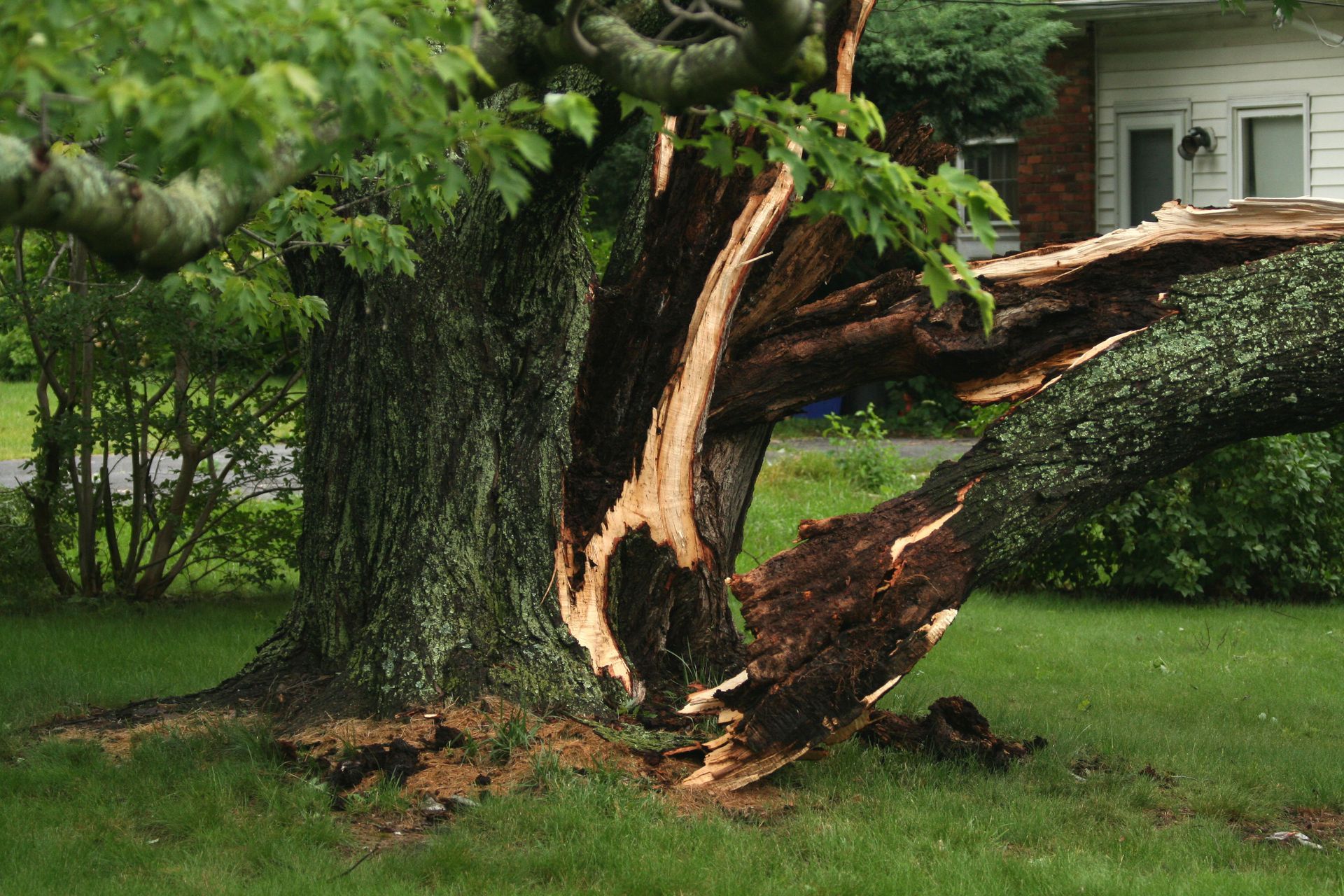
- Sudden Leaning or Soil Heaving: If a previously upright tree develops a sudden, noticeable lean, or if the soil on the opposite side of the lean is visibly cracking and heaving upward, the structural anchor roots have likely snapped. This is a critical safety hazard requiring immediate professional evaluation.
Identifying the Common Causes of Root Damage
Understanding exactly what causes root stress is just as important as identifying the visual symptoms. Very often, underground root damage is completely preventable with mindful, deliberate landscaping and tree care practices.
- Soil Compaction: Frequent pedestrian foot traffic, heavy landscaping machinery, or regularly parking vehicles beneath the protective canopy compresses the vital soil structure. This severe compaction squeezes out the microscopic pore spaces that hold necessary oxygen and water, effectively suffocating the roots and preventing natural expansion.
- Construction and Excavation: Trenching for underground utilities, laying new driveways, or dramatically altering the grade of your yard can easily sever a massive portion of a tree’s root system. Because the vast majority of water-absorbing feeder roots are located within the topsoil, even surprisingly shallow digging can cause catastrophic harm.
- Improper Watering Routines: Both excessive overwatering and chronic underwatering lead directly to severe root stress. Waterlogged, poorly draining soil creates an anaerobic environment that promotes devastating root rot diseases. Conversely, prolonged drought causes fine feeder roots to dry up, turn brittle, and die, severely limiting intake capacity.
- Incorrect Planting Depth and Mulching: Trees that are planted far too deeply are highly susceptible to fatal root strangulation. Similarly, piling thick layers of mulch high against the trunk—a harmful practice known as building "mulch volcanoes"—traps moisture against the bark, encouraging decay and causing roots to grow upward into the mulch.
- Chemical Damage: The heavy overuse of harsh chemical herbicides, synthetic lawn fertilizers, or the accidental spilling of toxic substances near the root zone can chemically burn delicate tissues, leading to a rapid systemic decline.
Implementing Preventative Practices for Optimal Health
The absolute best approach to managing root stress is vigilant, ongoing prevention. Integrating sensible, proactive routines into your landscape management actively protects the hidden foundation of your trees. A fundamental aspect of routine tree care involves proper, science-backed mulching techniques. For example, we apply a widespread, two-to-four-inch layer of high-quality organic mulch around the base of the tree, extending as far out toward the outer drip line as possible. Crucially, ensure the mulch is pulled a few inches away from the trunk flare itself. This simple practice mimics the natural forest floor, retains vital soil moisture, regulates extreme temperature fluctuations, and significantly reduces the impact of soil compaction.
Furthermore, consciously implement deep, infrequent watering schedules rather than shallow, daily sprinklings. Deep watering encourages roots to grow further down into the soil profile, making the tree inherently more resilient to extended drought. If you anticipate major construction or hardscaping projects on your property, establish a physical tree protection zone. Erect sturdy fencing around the drip line to keep heavy machinery and raw materials entirely away from the critical root area. Remember, actively preserving the integrity of the soil structure is a vital, non-negotiable component of long-term tree care.
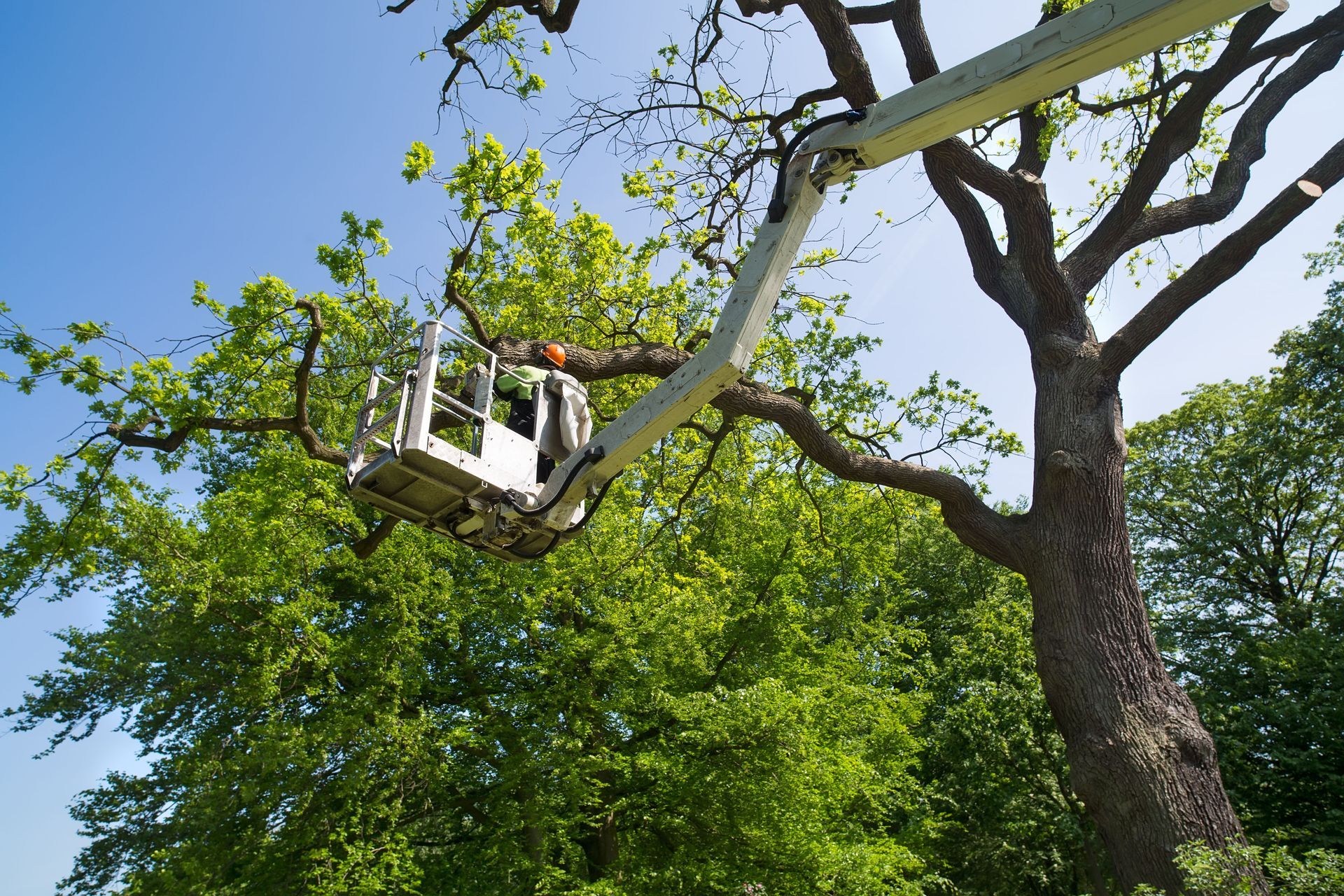
If you notice a troubling combination of severe canopy dieback, unusual fungal growth at the base, or a sudden structural lean, it is time to seek immediate intervention. At Turnbull's Tree Service, we specialize in comprehensive, professional tree care, offering advanced diagnostics to thoroughly assess the actual health of your tree's hidden root system. Reach out to our team today to schedule a comprehensive evaluation, and let our dedicated professionals keep your entire landscape thriving.