September 25, 2026
Trees are essential components of any outdoor space, providing beauty, shade, and a natural habitat for wildlife. They significantly enhance the aesthetic and functional value of gardens and lawns. Consistent tree care involves a combination of practices aimed at ensuring their health and longevity. By taking the time to nurture and maintain trees, homeowners can create an outdoor area that thrives for decades. This article delves into how a strategic approach to tree care can elevate your outdoor space.
Understanding the Basics of Tree Care
Different tree species have distinct needs that impact their growth and survival. Knowing the specific requirements of your trees is essential to providing effective care. Factors such as climate, soil type, and water availability influence which trees are suitable for your area. Choosing the right species minimizes maintenance and enhances the likelihood of healthy growth. Understanding these nuances allows for tailored care routines that meet the unique needs of each species.
For example, some species like oaks or maples thrive in cooler climates, while palms prefer tropical environments. By observing tree characteristics and researching species-specific care requirements, gardeners can create optimal conditions for growth. Additionally, trees have varying tolerance levels for shade and sun, impacting where they should be planted. Identifying these traits before planting can ensure a more successful landscaping project. Ultimately, understanding species differences is integral to successful tree care.
Soil plays a critical role in supporting tree life by offering the necessary nutrients and a stable environment for root growth. Understanding soil composition and its nutrient content can guide gardeners in making informed choices about their care routines. Conducting a soil test can reveal deficiencies, allowing for targeted amendments. Proper soil management involves not only addressing these deficiencies but also maintaining adequate moisture and aeration levels. Healthy soil is foundational to robust and vigorous tree growth.
Water is a crucial resource for tree growth and overall plant health. Understanding the specific watering needs of different tree species is vital to maintaining a thriving outdoor environment. Overwatering can lead to root rot, while under-watering causes stress and stunted growth. Optimal watering techniques focus on delivering the right amount of moisture based on species, climate, and soil type. Tailoring your approach ensures trees receive the hydration needed for health and vitality.
Drip irrigation systems provide a precise solution for delivering water directly to the roots. This method reduces water waste and ensures deep penetration into the soil, where it is most effective. Consistency is key; a watering schedule aligned with seasonal changes ensures trees are never left overly dry or saturated. Proper timing can also prevent evaporative loss, conserving water and making the process more efficient. Structured methods promote sustainability and minimize maintenance-related headaches.
The Benefits of Regular Pruning
Regular pruning plays an integral role in preserving tree health, allowing them to live longer and grow stronger. By removing dead, diseased, or excess branches, trees can better allocate their resources towards healthier areas. This preventative measure reduces the risk of disease spread and minimizes pest invasions that often inhabit decaying branches. Over time, pruning encourages more robust growth patterns, leading to stronger structures and healthier canopy development. Staying committed to a pruning routine enhances the overall vitality and life expectancy of the tree.
Correct pruning techniques are designed to stimulate new growth that can flourish without causing harm. Healthy cuts must be selective and well-calculated, supporting wound closure and preventing decay. Competent pruning not only maintains tree integrity but also optimizes fruit or flower production in certain species. When trees are allowed to grow unchecked, they may develop weak, elongated branches or uneven canopies prone to breaking. Consistent pruning fosters a balanced and aesthetically pleasing growth pattern, sustaining the tree's ornamental value over time.
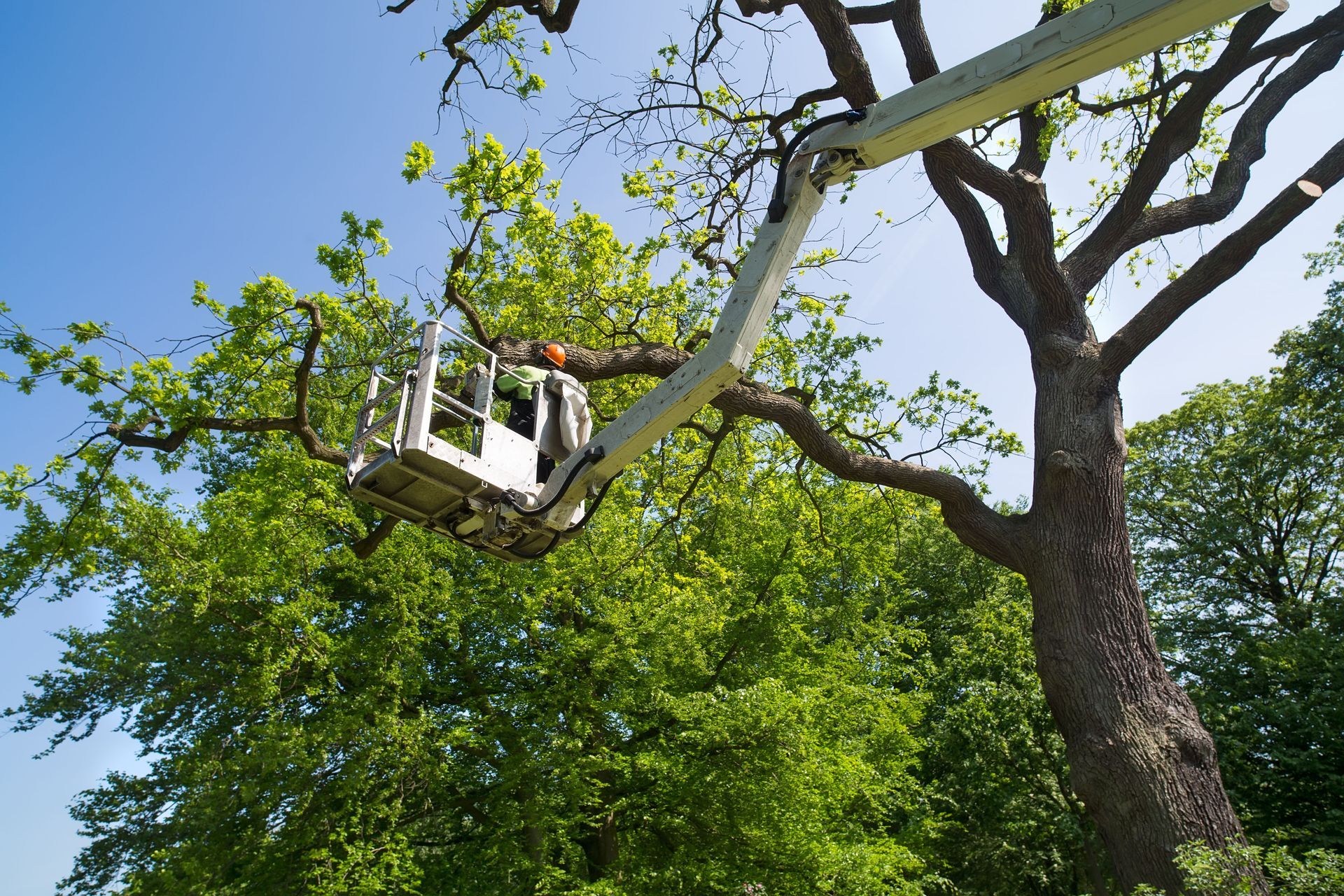
According to Allstate, trimming your trees once a year ensures both safety and beautification year-round. Eliminating hazardous branches mitigates detriments from storm damage and reduces the risk of injury from falling debris. Keeping a routine pruning schedule aligns with seasonal growth cycles, reinforcing tree health at crucial stages. Ultimately, a disciplined approach to pruning nurtures robust trees, enhancing both their functionality and visual appeal. As a fundamental aspect of tree care, pruning directly impacts the prosperity of your outdoor space.
Beyond health benefits, regular pruning enhances the aesthetic appeal of trees, harmonizing them with the surrounding landscape. Precise pruning shapes trees, creating desired forms that complement the overall design of the outdoor area. Artistic pruning techniques can transform ordinary trees into spectacular focal points, showcasing unique architecture and enhancing visual interest. Well-pruned trees contribute to a cohesive and balanced garden design, enhancing curb appeal and increasing property value. Pruning elevates the beauty of trees individually and as part of a larger scenery.
Aesthetic-driven pruning involves understanding the natural growth habit of each tree species to ensure that beauty and health coalesce. Gardeners can explore intricate pruning styles, such as topiary or espalier, to achieve tailored artistic visions. Balance is critical, with each cut serving both visual symmetry and structural integrity, creating visually exciting yet stable shapes. Different forms and patterns add dimension and texture to gardens, ensuring diversity and vibrancy throughout seasons. Careful pruning harmonizes foliage colors, textures, and patterns, generating a vivid and cohesive outdoor space.
Integrated Pest Management for Tree Care
A core component of tree care involves monitoring for pests and diseases, which can seriously impact tree health. Identification is the initial step towards targeted interventions that mitigate the spread of these threats. Common pests include aphids, borers, and caterpillars, each presenting distinct challenges requiring precise approaches. Plant diseases such as blight, mildew, and rust also necessitate vigilance, as they can compromise tree vigor quickly. Early detection through regular checks allows for effective resolutions, preventing extensive damage.
In many cases, visual inspections of leaves, stems, and bark can reveal signs of pest activity or disease presence. Changes in leaf coloration, wilting, or unusual growth patterns often indicate potential issues. Observing unusual patterns or damage provides critical clues about the specific problem, guiding further diagnosis. Technology such as pest identification apps can greatly aid in distinguishing various insects and diseases, enhancing response accuracy. By distinguishing between different threats, tailored solutions can be implemented to protect tree health.
Routine pest and disease assessments form the foundation of an integrated management plan, balancing detection with proactive preventive measures. Documenting seasonal observations in journals provides insight into pest cycles and disease emergence, better preparing homeowners. Garnering external expertise from arborists enriches recognition capabilities, ensuring precision and timeliness. By investing in knowledge and observation, trees are preserved against the detrimental impacts of pestilence and decay, fortifying the aesthetic and structural integrity of the landscape. Vigilance in identifying threats maintains the harmony and splendor of the outdoor area.
Once identified, effective pest management balances natural and chemical methods to protect tree health without causing environmental harm. Organic approaches often prioritize natural predators and biological treatments that minimize unnecessary interventions. Introducing beneficial insects, such as ladybugs and lacewings, can aid in controlling aphid populations naturally. Companion planting and habitat creation also support ecological balance in the garden, fostering an environment where predatory species can thrive. Sustainable practices safeguard trees and the surrounding ecosystem against pests, promoting ecological harmony.
When natural methods prove insufficient, chemical control options like insecticidal soaps, horticultural oils, and selective pesticides can offer additional protection. These chemicals, when applied according to guidelines, can effectively address resistant pest populations without causing collateral damage. It is crucial to select products specific to the pest type and tree species to ensure efficacy while minimizing potential harm. Education about proper application techniques equips users with the knowledge to maximize benefits and reduce risks. Strategic chemical controls, used judiciously, complement natural approaches, fortifying trees against relentless invasive species.
Consistent
tree care is essential for maintaining a healthy, attractive, and functional outdoor space. By understanding individual tree needs, maintaining proper watering and soil conditions, pruning regularly, and monitoring for pests and diseases, homeowners can address potential problems before they become more serious. A thoughtful approach to tree maintenance not only supports long-term tree health but also helps preserve the beauty and structure of the surrounding landscape. With regular attention and informed care practices, trees can continue to enhance outdoor spaces for years to come. For professional tree care you'll love, contact Turnbull's Tree Service today.