September 24, 2026
Severe weather events frequently leave behind significant landscape damage, placing property and personal safety at immediate risk due to compromised timber. When high winds or ice storms strike residential areas, structural degradation can turn mature trees into serious hazards. Executing safe tree removal involves navigating complex municipal codes, securing mandatory local permits, and staying fully compliant with homeowners association guidelines.
Assess Tree Damage and Immediate Safety Risks
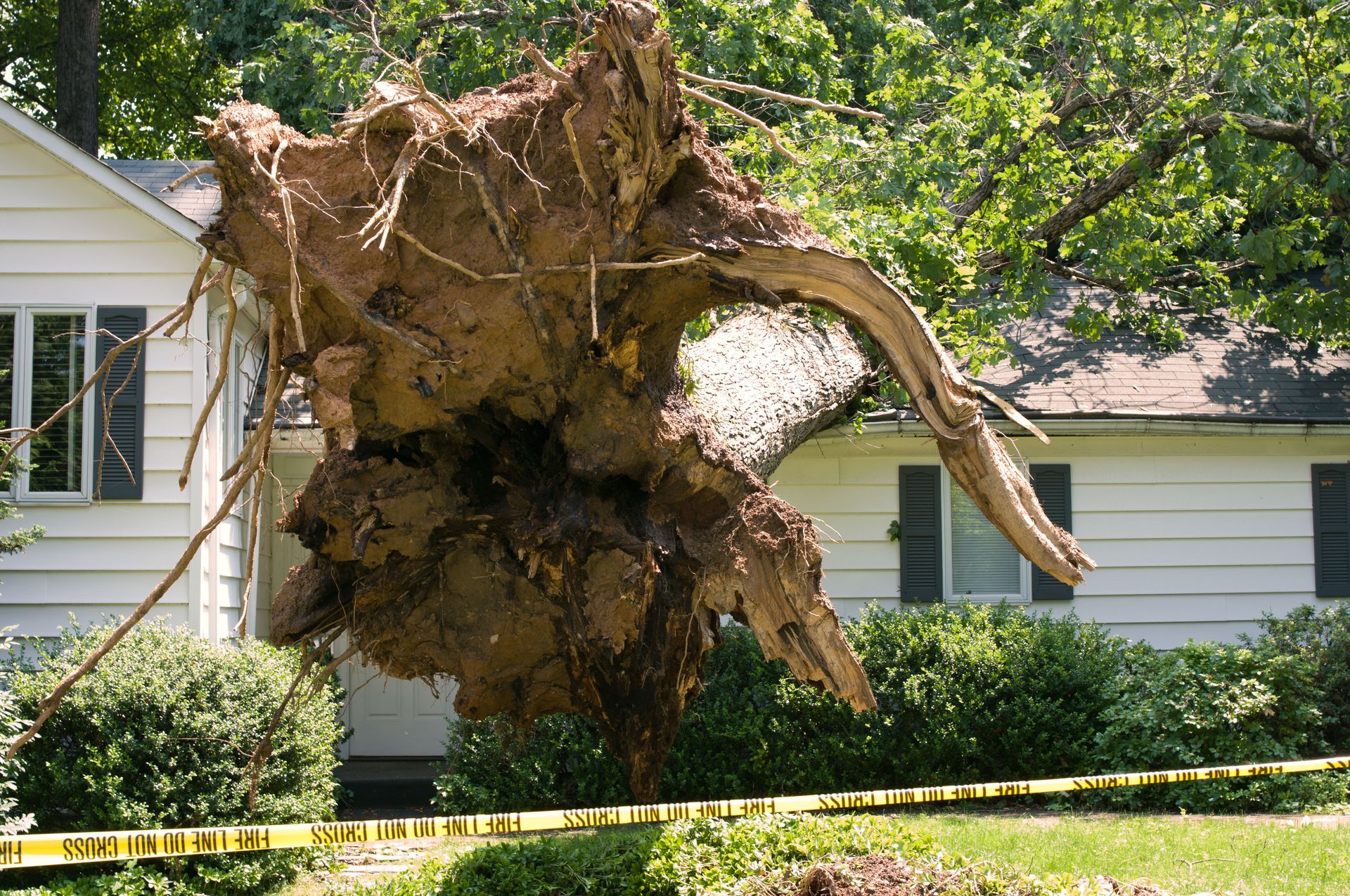
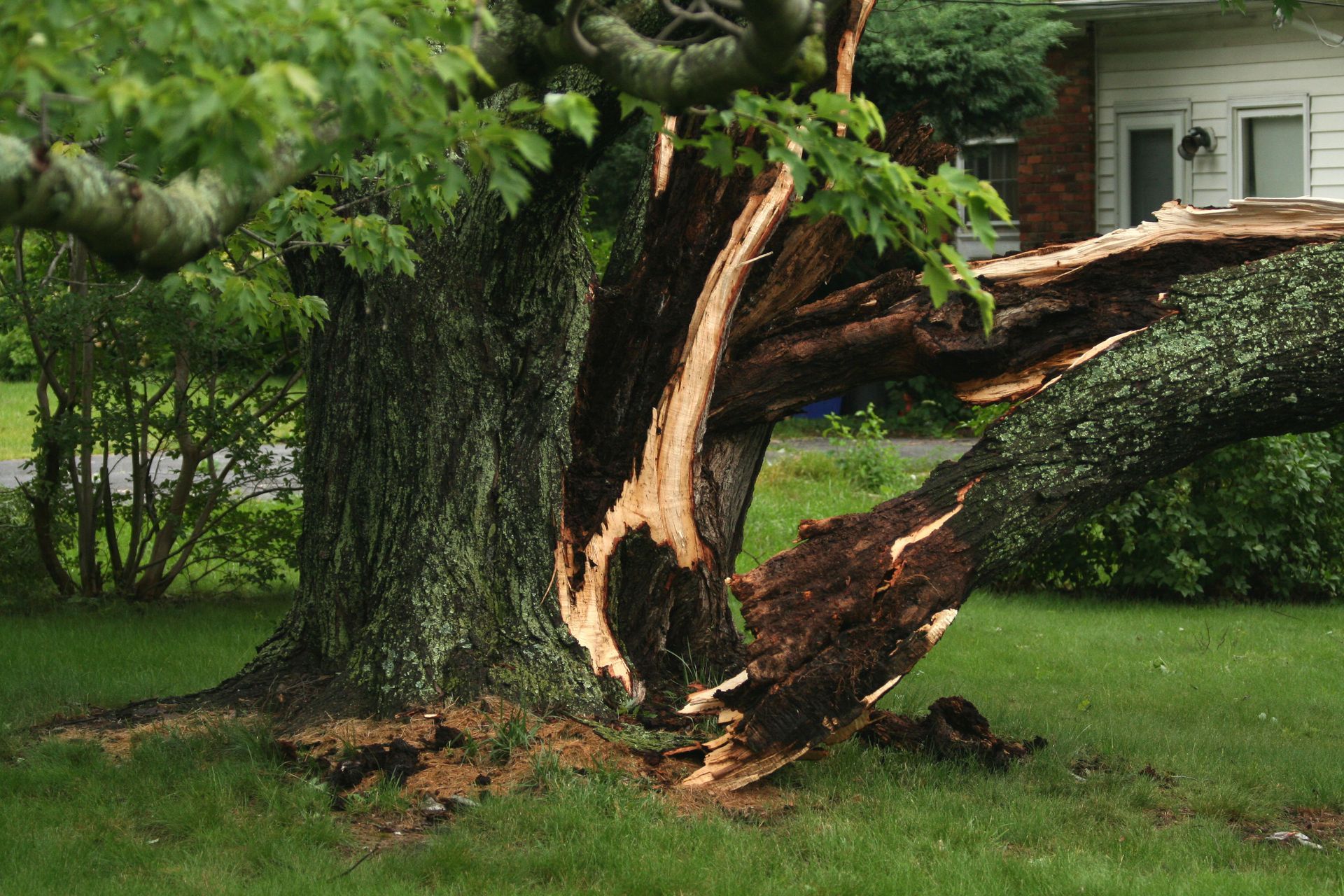
After a severe storm, evaluating visible signs of structural compromise across your landscape represents the critical first step. Homeowners should conduct a visual survey from a safe distance, searching for fractured major branches, deep trunk cracks, or exposed roots. Internal decay often remains hidden beneath bark, making posture changes particularly concerning. Any post-storm leaning suggests severe structural failure on your property.
Identifying immediate hazards helps establish urgent cleanup priorities across the affected landscape. Severe danger exists when heavy limbs hang over rooflines, driveways, or walkways, or when entire trunks lean toward structures or power lines. When utility cables are involved, residents should contact utility providers immediately rather than attempting direct intervention. Cordoning off high-risk zones beneath compromised limbs prevents accidental injuries.
Determining whether a specimen requires complete extraction or simple pruning demands professional expertise, especially when liability concerns arise. Certified arborists possess diagnostic tools to evaluate recovery potential or confirm if extraction remains necessary. Property owners bear legal responsibility for harm caused by falling timber if pre-existing defects were neglected. Documenting visible damage creates essential evidence for subsequent insurance claims.
Obtain Required Permits Before Cutting
Navigating administrative requirements for property maintenance begins with identifying local authorization rules. Municipal governments regularly require formal tree removal authorization to maintain urban canopy coverage, protect public safety, and preserve surrounding ecosystems. Specific rules categorize specimens based on trunk diameter, total height, or biological species. While emergency frameworks exist for immediate collapse hazards, standard applications require complete administrative reviews before work begins.
Multiple government agencies oversee canopy protection efforts, ranging from city planning commissions to regional environmental departments. Engaging directly with these administrative bodies clarifies filing documentation and local conservation priorities for your neighborhood. Submissions generally require detailed property survey diagrams, photographic proof of damage, and formal diagnostic assessments prepared by certified arborists. Review timelines vary depending on municipal workloads, making early submission essential.
Failing to secure proper authorization prior to major landscape modifications brings significant financial and legal risks. Municipalities enforce compliance penalties through monetary fines, mandatory stop-work orders, and demands requiring property owners to plant replacement saplings at their expense. Beyond financial penalties, unauthorized work undermines community environmental goals. Investing time upfront to secure valid permits ensures legal compliance and preserves local ecosystems.
Navigate City Ordinances and Local Regulations
Local municipal codes govern tree removal practices across residential zones to maintain ecological balance and preserve neighborhood character. Property owners must research specific municipal codes, which are easily accessible through city forestry department resources or municipal clerk offices. Guidelines often stipulate exact protocols regarding acceptable methods, hours of operation for heavy machinery, and disposal standards for large wooden debris on residential lots.
Special protective ordinances frequently exist to safeguard historic specimens, native species, or ecologically sensitive buffer zones such as wetlands. Cities enforce strict restrictions against removing heritage trees unless certified structural failure renders the specimen an unavoidable threat. In these regulated scenarios, municipal authorities require comprehensive diagnostic evidence. Understanding these protective measures helps property owners avoid accidental destruction of protected timber on their land.
Compliance procedures often require property owners to submit formal post-work reports or schedule follow-up inspections with city arborists. These reporting protocols maintain transparent public records regarding urban canopy changes and support municipal forestry planning efforts. If an application receives an administrative denial or strict operational limits, property owners retain the right to submit formal appeals supported by technical arborist reports.
Ensure Homeowners Association Compliance
Property owners living within managed residential developments must carefully balance city rules with internal neighborhood regulations. Reviewing covenants, conditions, and restrictions provides essential clarity regarding aesthetic standards, common area protections, and specific tree removal protocols. Homeowners association boards establish these guidelines to preserve property values, maintain architectural harmony, and protect shared greenspaces. Familiarity with internal bylaws ensures cleanup activities do not trigger unexpected board citations.
Securing formal written approval from an architectural review committee is typically mandatory before commencing significant landscape alterations. Submission packages generally require completed authorization forms, contractor insurance certificates, photographs of storm damage, and proposed replanting schedules. Maintaining transparent communication with board members clarifies procedural expectations and addresses safety concerns early in the review process. Explicit written clearance protects property owners from unexpected sanctions.
Proactive neighbor communication plays a vital role in preventing interpersonal conflicts and maintaining neighborhood harmony during heavy equipment operations. Informing adjacent property owners about project timelines, temporary access requirements, and safety perimeters fosters mutual understanding and goodwill. Unapproved landscape clearing can result in substantial association fines, legal injunctions, or demands to restore altered grounds at personal expense. Constructive dialogue ensures smooth project completion.
Select a Qualified Service Provider
Hiring a certified professional service remains critical when managing complex storm recovery operations on residential land. Engaging an insured contractor protects property owners against financial liability arising from accidental property damage or personal injuries during dangerous operations. Validating business licenses, professional certifications, and general liability coverage guarantees that crews operate in accordance with safety standards. Choosing qualified specialists ensures that tree removal projects proceed smoothly and safely.
Comparing detailed written estimates from multiple licensed contractors allows property owners to evaluate service scopes and pricing structures effectively. Transparent estimates should itemize specific operational charges, including crane operation, limb rigging, wood chipping, stump grinding, and site cleanup. Evaluating contractor reputation through verified references and customer reviews provides valuable insight into work quality and professional reliability. Selecting a service based on competency guarantees superior execution.
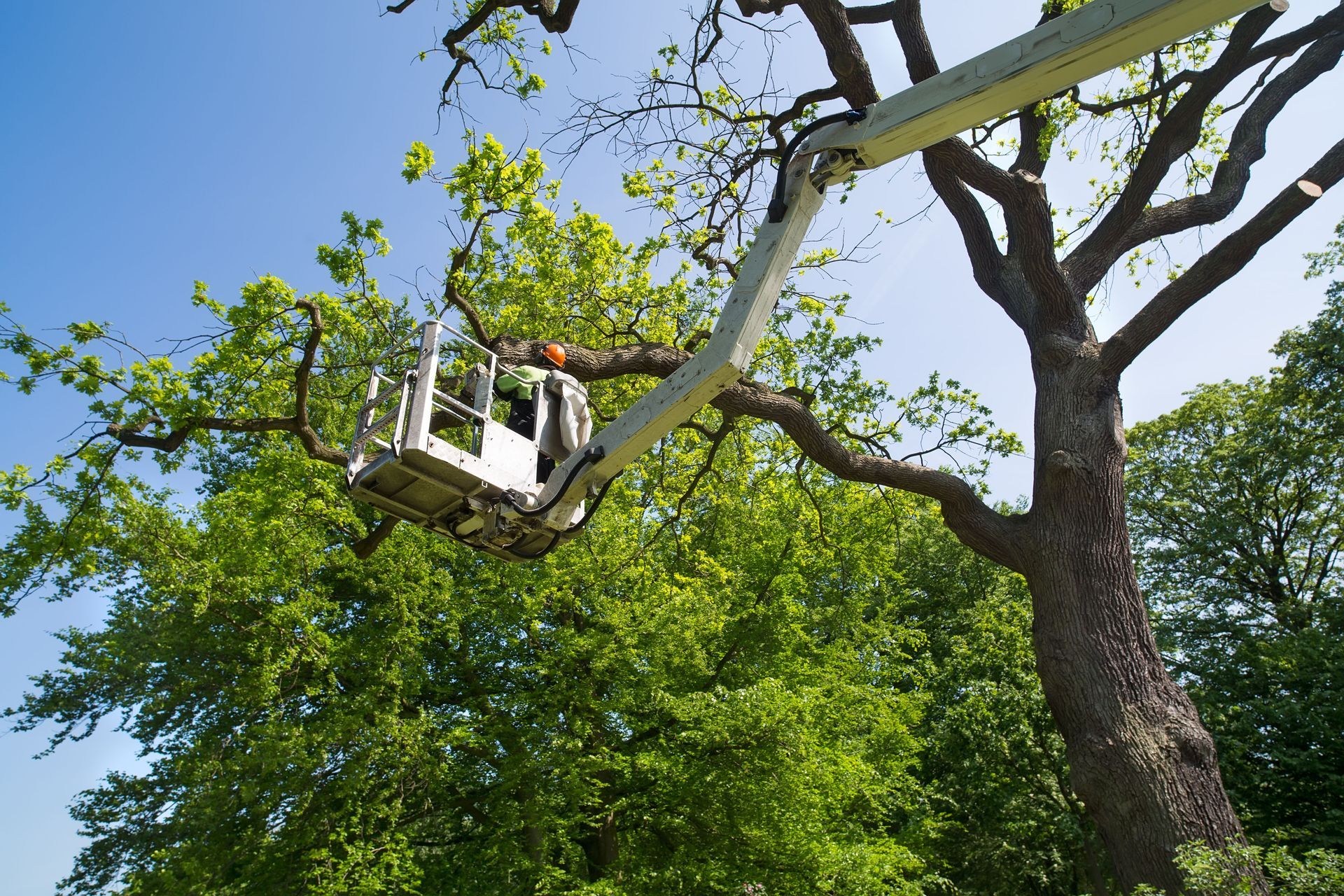
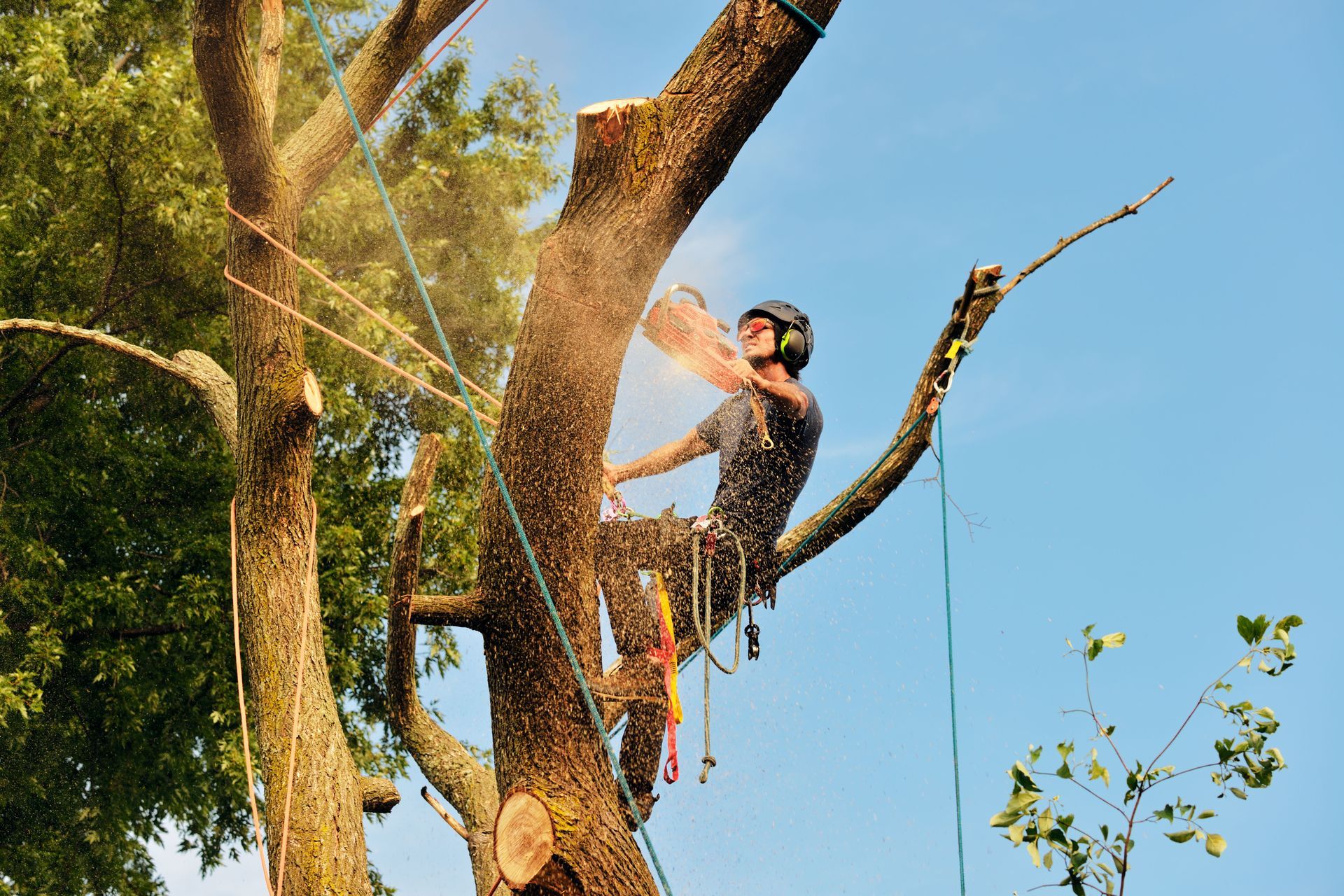
Strict adherence to professional safety standards and modern rigging techniques minimizes risks during high-risk timber management operations. Professional crews utilize heavy-duty cranes, protective gear, specialized climbing lines, and commercial chippers to handle massive timber safely. Post-operation cleanup represents an indispensable component of professional service delivery. Clearing heavy logs, grinding stumps, and removing stray branches restores landscape functionality, enhances curb appeal, and prevents secondary pest infestations.
Balance Environmental and Ecological Impacts
Recognizing the broader environmental consequences of landscape alterations helps property owners make responsible choices during storm recovery. Clearing mature timber alters microclimates, reduces shade canopy, impacts soil retention, and displaces local wildlife species that depend on mature canopy ecosystems. Consulting certified arborists regarding low-impact extraction methods and strategic retention helps minimize ecological disruption while addressing safety concerns. Implementing thoughtful management strategies balances human safety with long-term environmental preservation.
Developing comprehensive replanting strategies provides lasting ecological benefits and helps restore canopy losses caused by severe storms. Planting native replacement trees enhances regional biodiversity, restores wildlife habitats, improves air quality, and mitigates local heat island effects. Selecting species adapted to local soil conditions and storm resistance ensures healthier growth patterns for future generations. Collaborating with local conservation organizations amplifies these positive outcomes, transforming recovery efforts into meaningful environmental stewardship.
Sustaining urban forestry vitality requires active participation in community canopy preservation and sustainable land management initiatives. Strategic pruning, organic waste recycling, and proactive health treatments maintain standing timber integrity, reducing future storm vulnerability across residential areas. According to LinkedIn, the United States tree removal services market was valued at 8.23 billion in 2025, underscoring the massive scale of professional land care and ecosystem stewardship nationwide. Engaging in long-term landscape planning ensures healthy urban ecosystems.
By systematically assessing structural hazards, securing required authorizations, and partnering with verified industry professionals, property owners can safely restore their landscapes with tree removal while avoiding severe legal penalties or unexpected financial burdens. Taking a proactive approach ensures that emergency cleanups protect both immediate human safety and long-term environmental balance across the community. Contact us at Turnbull's Tree Service today so we can help you safely restore your property after the storm.