May 19, 2026
Trees contribute beauty, shade, and environmental value to any property, but there are circumstances where removal becomes the safest and most practical option. Determining whether a tree should be removed is not a decision that should be taken lightly. It involves a careful evaluation of structural integrity, health conditions, surrounding risks, and long-term landscape goals. A professional assessment ensures that property owners avoid unnecessary removal while also addressing potential hazards before they escalate.
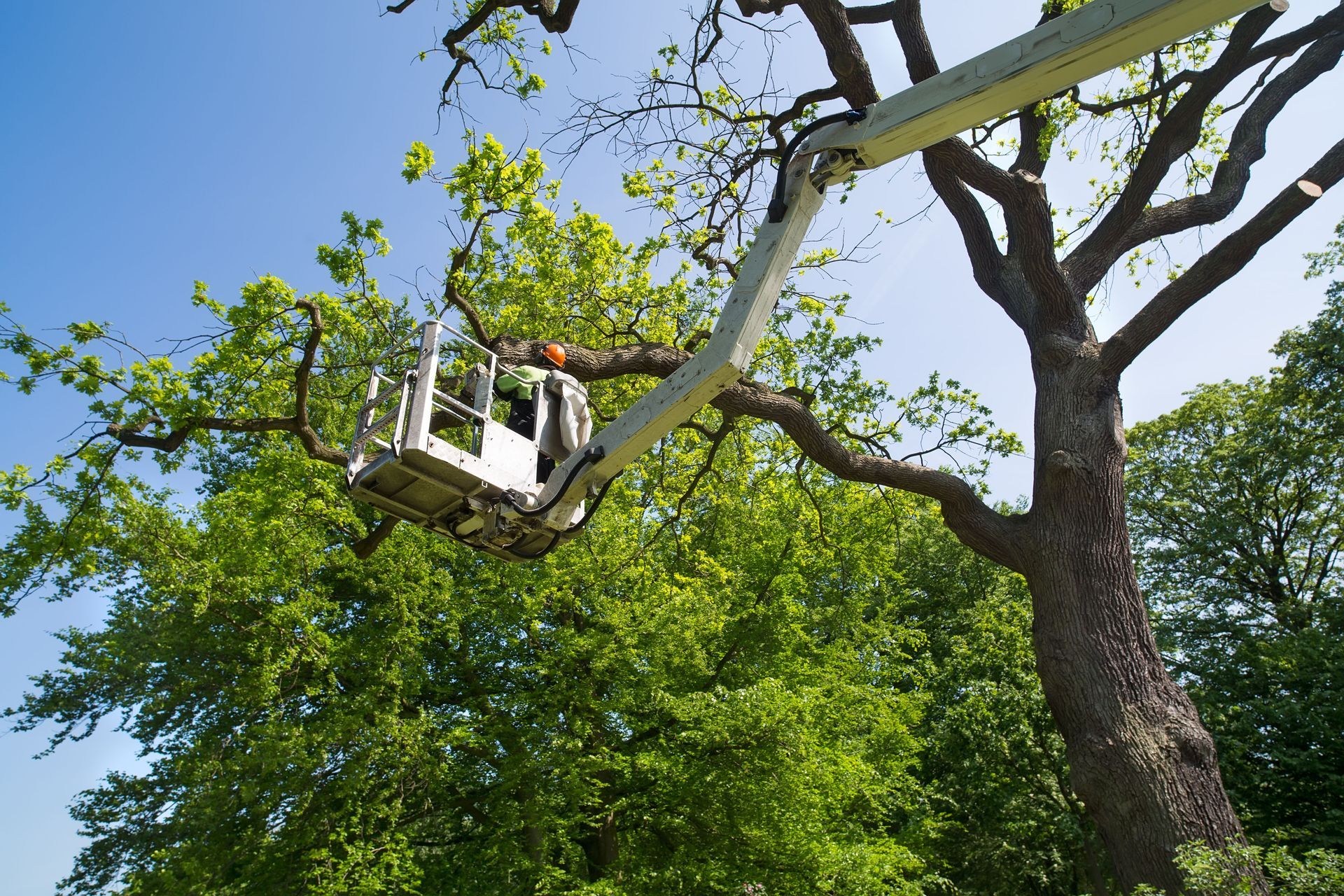
A local tree service brings both technical knowledge and field experience to this process. Rather than relying on surface-level observations, trained professionals evaluate multiple variables that influence whether a tree remains an asset or becomes a liability. Understanding how these decisions are made can help property owners feel more confident when addressing concerns about tree safety, property damage, or landscape planning. This level of insight allows property owners to approach tree care decisions with greater clarity and confidence.
Evaluating Tree Health and Structural Stability
Identifying Signs of Disease and Decay
One of the first steps a tree service takes is assessing the overall health of the tree. Disease and decay are often the primary indicators that removal may be necessary. Arbor professionals look for visible symptoms such as discolored leaves, fungal growth at the base, peeling bark, or hollow sections within the trunk. These signs suggest internal deterioration that may compromise the tree's structural integrity.
Decay can spread gradually, weakening the tree from the inside out. While some diseases can be treated, others progress beyond recovery, making removal the safest option. A thorough inspection helps determine whether intervention is possible or whether the tree poses an increasing risk to nearby structures and people.
Assessing Structural Weakness and Damage
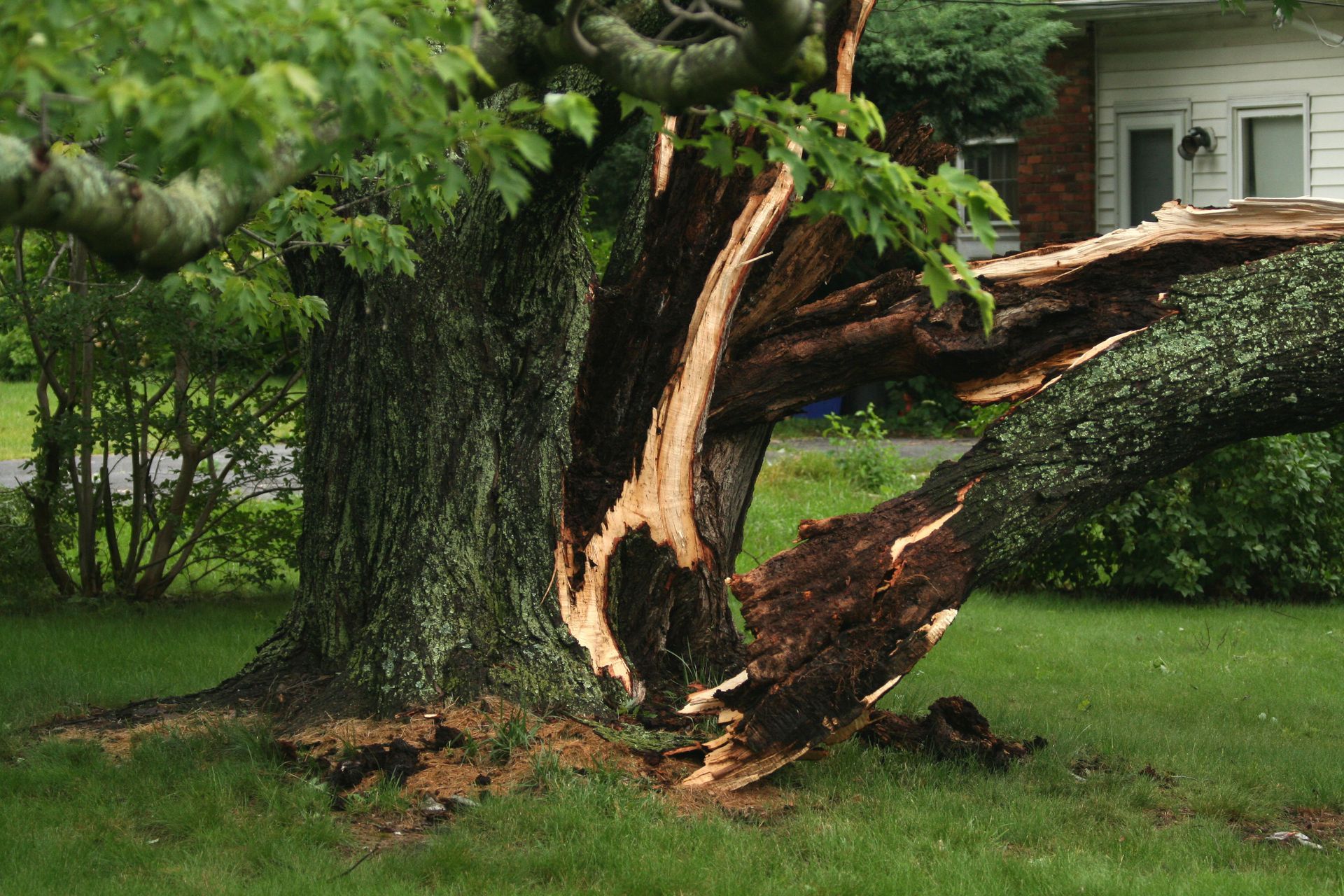
Beyond disease, structural stability plays a critical role in removal decisions. A local tree service evaluates whether the tree has sustained damage from storms, improper pruning, or natural aging. Cracks in the trunk, split branches, and significant leaning are all indicators of compromised stability.
Professionals also assess the tree's root system. Root damage, whether caused by construction, soil compaction, or erosion, can destabilize the entire structure. Even if the upper portion of the tree appears healthy, weakened roots can lead to sudden failure. This type of hidden vulnerability often justifies removal to prevent unexpected collapse.
Determining Risk of Failure
Risk assessment is a key component of evaluating structural stability. Arbor specialists consider the likelihood that a tree or its branches may fall and the potential consequences if it does. Trees located near homes, driveways, or pedestrian areas are subject to stricter evaluation standards due to the higher risk they pose.
Environmental factors are also taken into account. Exposure to high winds, saturated soil conditions, and seasonal weather patterns can increase the chances of failure. A local tree service uses these insights to determine whether a tree can remain safely in place or requires removal to mitigate risk.
Considering Property Impact and Safety Concerns
Proximity to Structures and Utilities
Location is a major factor in determining whether a tree should be removed. Trees growing too close to homes, garages, or fences can cause damage over time. Expanding root systems may disrupt foundations, while overhanging branches can scrape roofs or break during storms.
A local tree service carefully evaluates how the tree interacts with surrounding structures. Trees near utility lines present additional concerns, as they can interfere with power distribution and pose safety hazards. In these cases, removal may be necessary to prevent service disruptions or dangerous situations.
Evaluating Storm Damage and Emergency Risks
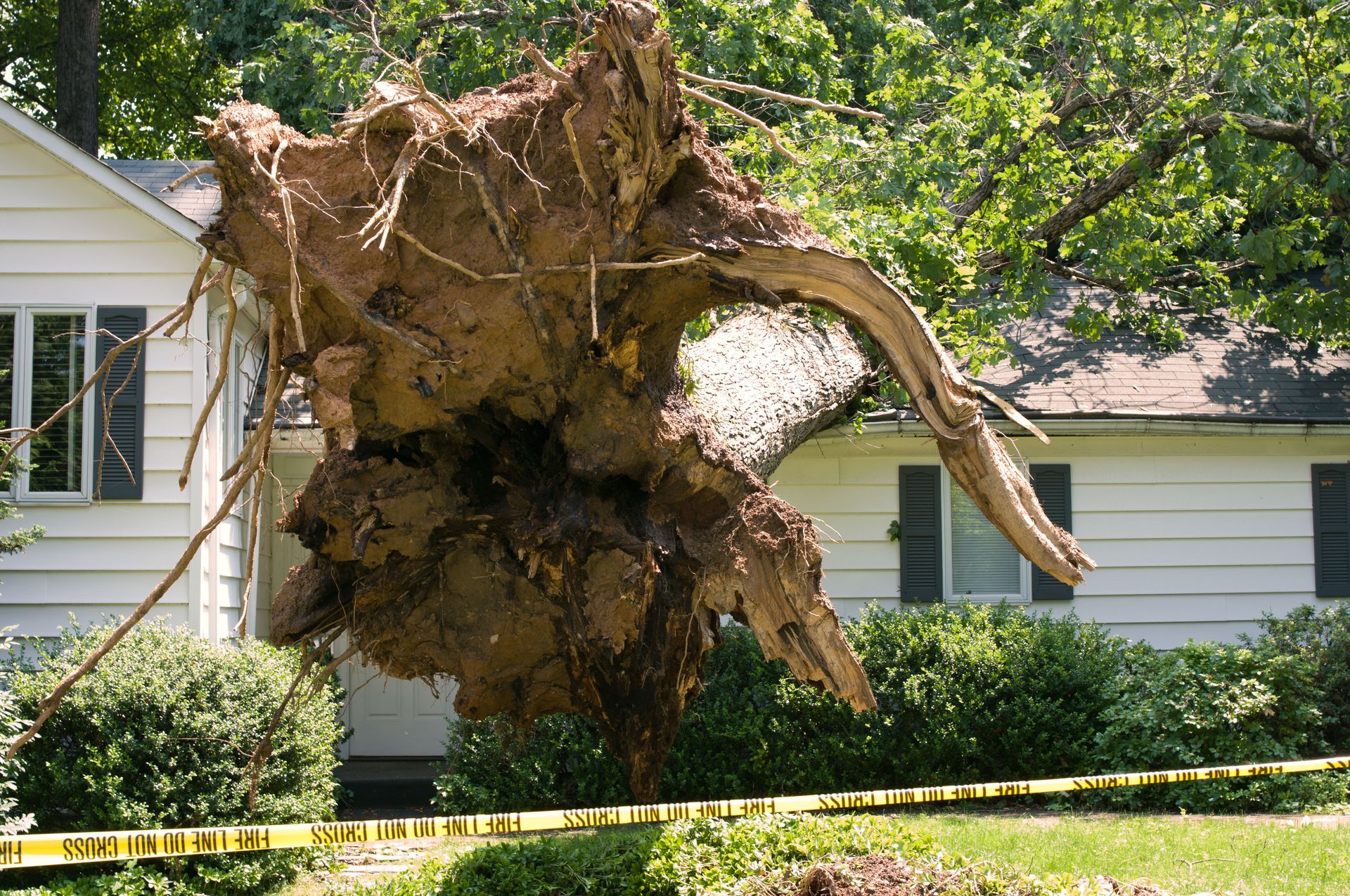
Severe weather events can significantly impact tree stability. High winds, heavy snow, and ice accumulation can cause branches to snap or entire trees to uproot. After a storm, a tree service conducts detailed inspections to identify damage that may not be immediately visible.
Partially fallen trees or those with hanging limbs represent immediate hazards. Even if the tree remains standing, internal damage may make it unstable. In emergency scenarios, removal is often the most effective way to eliminate risk and restore safety to the property. Quick response times in these situations are critical, as delays can increase the likelihood of further damage or injury.
Preventing Hazards in High-Traffic Areas
Trees located in high-traffic areas require careful consideration. Sidewalks, driveways, and recreational spaces are frequently used, increasing the potential for injury if a tree fails. A local tree service evaluates how the tree's condition intersects with daily activity on the property.
Low-hanging branches, weakened limbs, and leaning trunks can create dangerous conditions. Removing such trees helps maintain a safe environment for residents, visitors, and passersby. In many cases, proactive removal prevents accidents and reduces liability concerns for property owners. Regular monitoring of these areas allows potential issues to be addressed before they become serious hazards.
Balancing Environmental Value and Landscape Goals
Weighing Benefits Against Removal Needs
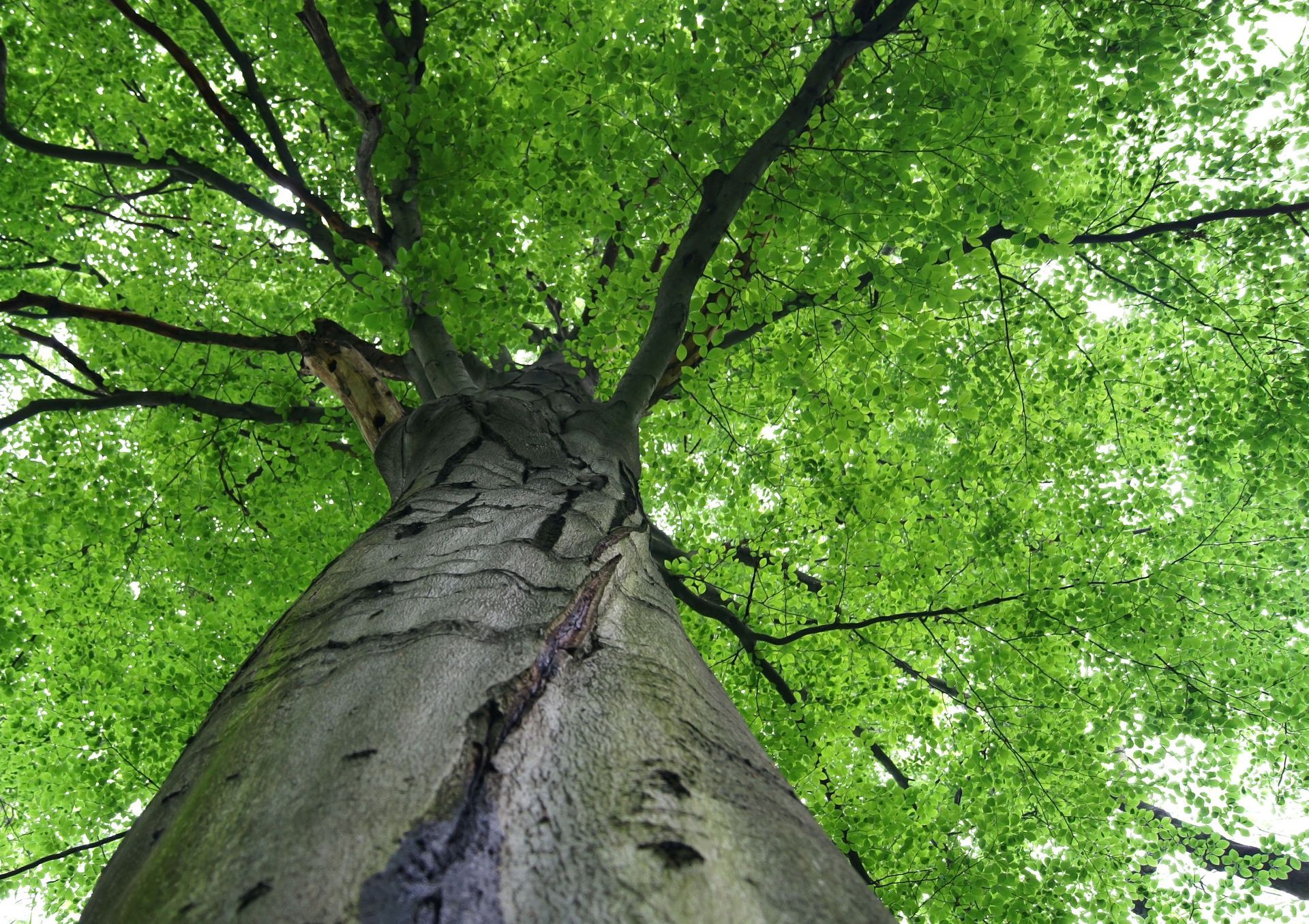
Not every problematic tree needs to be removed immediately. Trees provide shade, improve air quality, and enhance property aesthetics. A local tree service considers these benefits when making recommendations. The goal is to preserve healthy trees whenever possible while addressing those that pose risks.
According to research from the U.S. Forest Service, strategically positioned trees can reduce annual air-conditioning expenses by as much as 56%, highlighting the significant energy-saving benefits they offer. This underscores the importance of thoughtful evaluation before deciding on removal, as trees can play a valuable role in overall property efficiency.
Managing Overcrowding and Growth Patterns
In some cases, removal is necessary to support the health of the surrounding landscape. Overcrowded areas can limit access to sunlight, water, and nutrients, affecting the growth of nearby trees and plants. A tree service assesses whether thinning is needed to promote balanced development.
Removing select trees can improve airflow and reduce competition, allowing healthier specimens to thrive. This approach supports long-term landscape sustainability while maintaining an attractive and functional outdoor space. Strategic thinning also helps reduce the spread of disease by limiting contact between closely spaced trees.
Supporting Future Landscaping and Property Plans
Property owners often have plans for renovations, expansions, or new landscaping features. Trees that interfere with these plans may need to be removed. A local tree service works with property owners to align tree management decisions with future goals.
This may involve clearing space for construction, improving visibility, or redesigning outdoor areas. By considering both current conditions and future needs, professionals ensure that removal decisions contribute to a cohesive and practical property layout. Careful planning also minimizes unnecessary removals and helps maintain the overall character of the landscape.
Determining whether a tree should be removed requires a comprehensive evaluation of health, stability, safety, and overall property impact. Each tree presents a unique set of conditions that must be carefully analyzed to reach the right decision. A local tree service brings the expertise needed to identify risks, assess long-term outcomes, and recommend appropriate solutions.
By relying on professional guidance, property owners can make informed decisions that protect their investment while preserving the benefits that trees provide. Whether addressing safety concerns, managing landscape growth, or planning for future improvements, a thoughtful approach to tree removal ensures that every action supports both immediate needs and long-term property value. Taking a proactive approach with expert guidance helps ensure your landscape remains both safe and sustainable for years to come.
For a professional assessment of your property's tree removal needs, be sure to contact Turnbull's Tree Service!