January 23, 2026
Tree removal is a critical aspect of maintaining safe and healthy landscapes, particularly when dealing with hazardous or leaning trees. Professional tree services employ a combination of visual assessments, technological tools, and expert knowledge to evaluate tree health, structural integrity, and potential risks. From identifying subtle signs of disease or root instability to assessing environmental and logistical factors, these services go beyond simply cutting down trees—they ensure safety, compliance, and long-term property protection. By understanding the processes involved, homeowners and property managers can appreciate the value of engaging certified arborists and professional tree removal service teams to safeguard both their properties and the surrounding community.
Visual Assessments
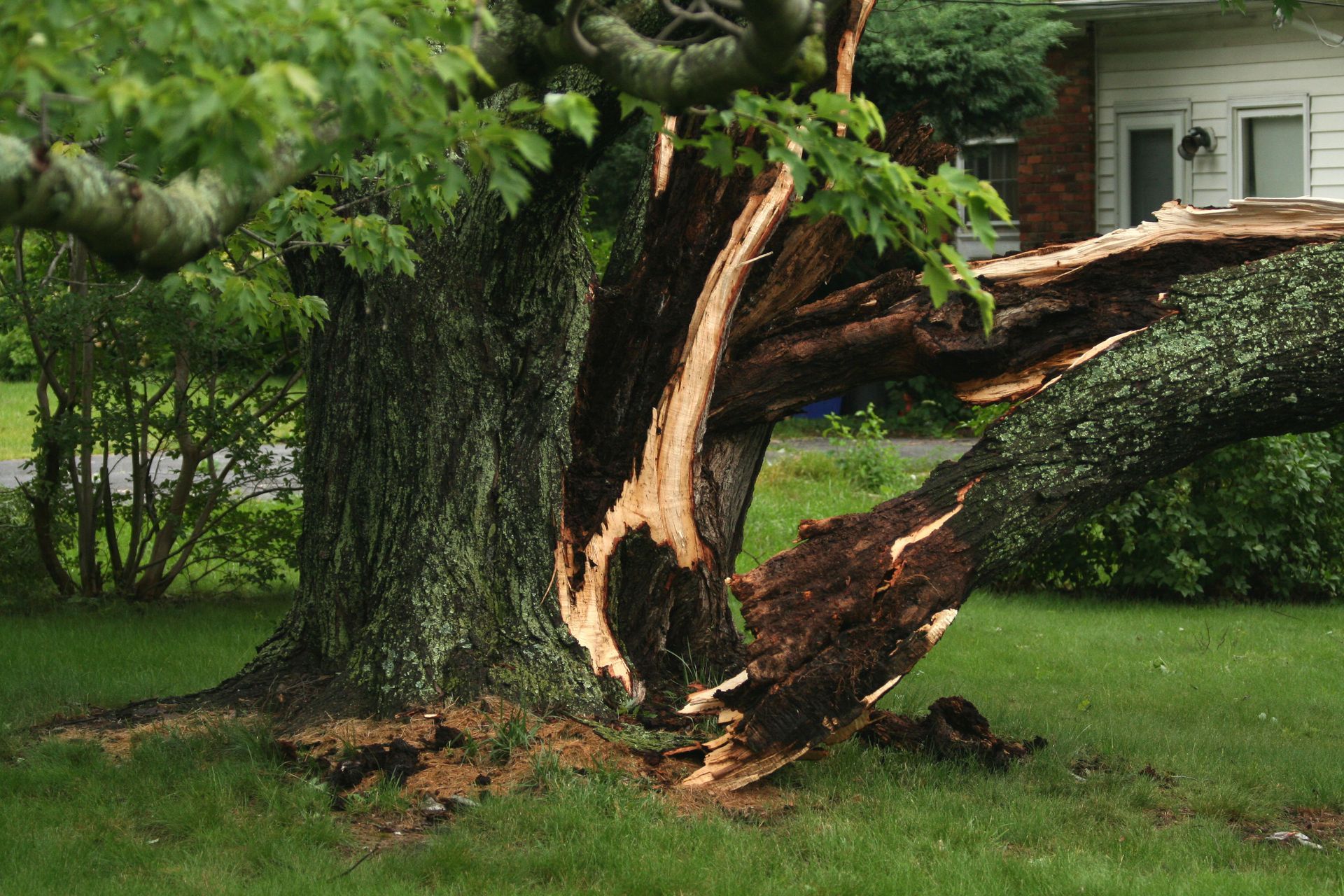
Visual assessments are the initial steps tree removal services take to identify hazardous or leaning trees. Arborists inspect trees for signs like cracked limbs, root exposure, and visible leaning. These indicators can signify that a tree's structural integrity is compromised, posing risks to nearby properties or pedestrians. During inspections, professionals use their trained eyes to assess tree bark, leaf health, and overall growth patterns. A thorough visual assessment is critical in prioritizing trees that demand immediate attention for removal or remedial action.
According to Arborists Near Me, 65% of the work performed daily by the tree service industry involves single-family residences. This underscores the importance of robust visual assessments to secure residential areas where people spend most of their time. In residential settings, the safety of families and their properties hinges on early detection and proactive management of tree-related hazards. Employing visual assessments as part of routine tree care ensures communities are shielded from preventable disasters caused by failing trees. Regular professional check-ups are thus a vital service to residential property owners aiming to sustain a safe and appealing living environment.
Using Technology
Modern technology plays a pivotal role in identifying hazardous or leaning trees, complementing traditional visual assessments. Drones, for instance, are employed to survey tree canopies from above, offering a vantage point inaccessible to ground inspections. These unmanned aerial vehicles capture high-resolution images and videos that aid in assessing tree health and stability efficiently. GIS mapping further enhances this process by overlaying captured data onto geospatial models, allowing arborists to predict how trees might behave in certain environmental conditions. Through these technological advancements, professionals are equipped to make informed decisions before on-ground evaluations commence.
Remote sensing technology extends beyond drones and GIS, incorporating innovations like LiDAR and thermal imaging to scrutinize tree conditions. LiDAR is instrumental in creating three-dimensional maps that reveal structural weaknesses within trees, while thermal imaging detects subtle temperature variations linked to deteriorating tree health. These evaluations are crucial in urban planning, enabling strategic management decisions based on empirical data. The analytical prowess delivered by technology facilitates a preemptive approach to tree care, minimizing risks through early intervention and tailored maintenance plans. This represents a quantum leap from reliance on superficial visual cues alone, elevating tree management standards.
Understanding Tree Health
An in-depth understanding of tree health forms the backbone of effective tree removal services. Arborists adept in tree biology can diagnose diseases or pest infestations that exacerbate tree risks. By studying leaf discoloration, abnormal growth patterns, or bark anomalies, experts form accurate health assessments to guide intervention strategies. Addressing tree health issues promptly can stave off the need for removal, with alternative solutions like trimming or pest control. Furthermore, knowledge of specific tree species and their susceptibilities to diseases enables targeted actions to enhance tree vitality.
Beyond visible symptoms, soil conditions and nutrient availability are pivotal in gauging a tree's health. Arborists may conduct soil tests to ensure trees have access to essential nutrients, further optimizing their health and resilience. Identifying and rectifying nutrient deficiencies can reverse decline symptoms, prolonging a tree’s life and ensuring community safety. Comprehensive health assessments thus pivot not only on visual observations but also on scientific analyses supporting proactive tree care decisions. A tree's biological makeup, when thoroughly evaluated, can enhance decision-making concerning its necessary management.
Assessing Risk Criteria
Professional tree removal services rely on structured risk assessment criteria to evaluate potential threats posed by hazardous or leaning trees. These criteria consider a tree's location, physical condition, and potential impact on people or property. Trees in close proximity to structures, power lines, or public spaces often warrant detailed risk assessments due to the amplified repercussions of a fall. Arborists analyze tree dimensions, inspecting factors like height, girth, and root stability to compute risk levels accurately. These metrics guide priority actions, ensuring the most dangerous trees are addressed first.
The risk assessment process is not static; it adapts to varying scenarios and environmental factors. For instance, a tree that poses minimal risk during fair weather may suddenly become hazardous in stormy conditions. Professional services periodically reassess trees, factoring in climatic changes that impact tree stability and health. This foresight built into risk assessments reinforces the preventative approach crucial to minimizing tree-induced damage. Evaluating risk is a nuanced practice that hinges on both immediate observations and projections of future interactions between trees and their environments.
Consulting Arborists
Consulting with certified arborists is a crucial step in the pre-removal planning of hazardous or leaning trees. These experts provide invaluable insights into the safest, most effective removal techniques while ensuring compliance with regulations. Engaging arborists early in the process allows for comprehensive tree assessments, encompassing health evaluations, risk considerations, and surrounding environmental impacts. Arborists apply their extensive knowledge to devise strategies that minimize risk and enhance operational efficiency. Their input not only informs immediate removal plans but sets the groundwork for sustainable landscaping practices moving forward.
The arborist's role extends to interpreting regulatory requirements associated with tree removal services, ensuring all operations adhere to relevant guidelines. They help navigate the permitting process, advocating for tree management solutions that balance safety with environmental conservation. By leveraging their expertise, arborists identify potential legal or ecological concerns, addressing them proactively in the removal plan. This foresight is integral to maintaining operational transparency and fostering community relations. With arborists guiding pre-removal discussions, tree service providers reinforce their commitment to ethical, compliant practices.
Inspecting Site
A thorough site inspection is integral to effective tree removal services, providing insights into logistical challenges and access considerations. Arborists and technicians assess terrain conditions, slope gradients, and proximity to structures, informing strategy development. Through site analysis, professionals pinpoint potential hazards or difficulties that may impact tree removal execution. This includes examining ground stability, identifying underground utilities, and evaluating clearances for machinery and personnel.
The process extends to delineating safe access routes that facilitate equipment mobilization and personnel deployment. Professionals assess space constraints, foreseeing bottlenecks in property access that could impede operations. Identifying potential complications ahead of time facilitates contingency planning, ensuring removal efforts remain fluid and adaptable. Site inspections are further enriched by technological aids like GIS mapping, which captures spatial data supporting operational logistics.
Effective tree removal service begins long before a saw touches the trunk. Through thorough visual assessments, advanced technology, risk evaluation, and consultation with certified arborists, professional tree services can identify hazardous trees and develop safe, efficient removal plans. Site inspections and logistical planning further ensure that the process is carried out with precision, minimizing risks to people, property, and the environment. By relying on expert evaluations and proactive strategies, property owners can prevent accidents, reduce damage, and maintain a healthy landscape. If you notice a leaning or potentially hazardous tree on your property, contact Turnbull's Tree Service today—early assessment and professional planning are key to keeping your home and community safe.